
Quick answer
The practical explanation
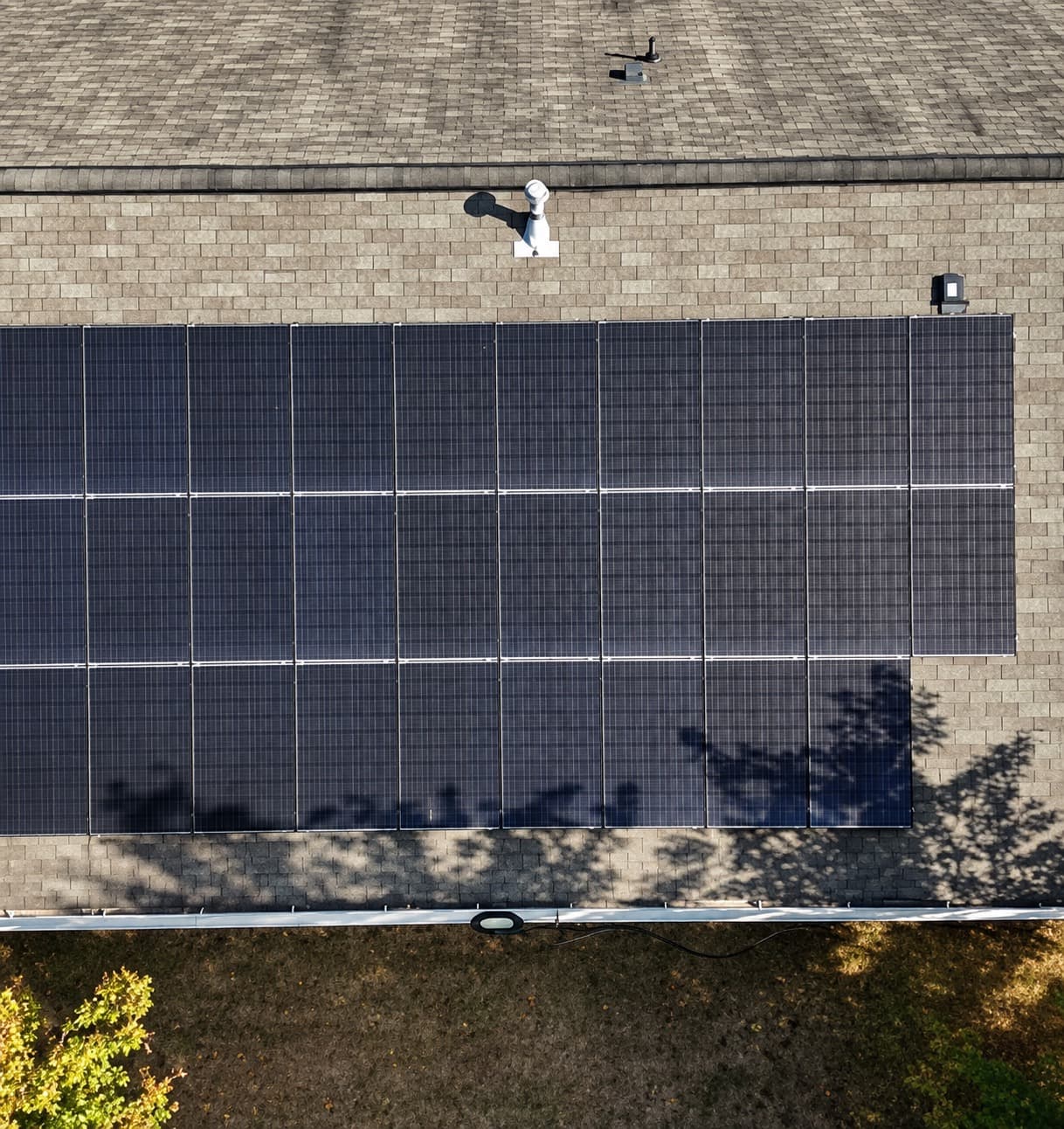
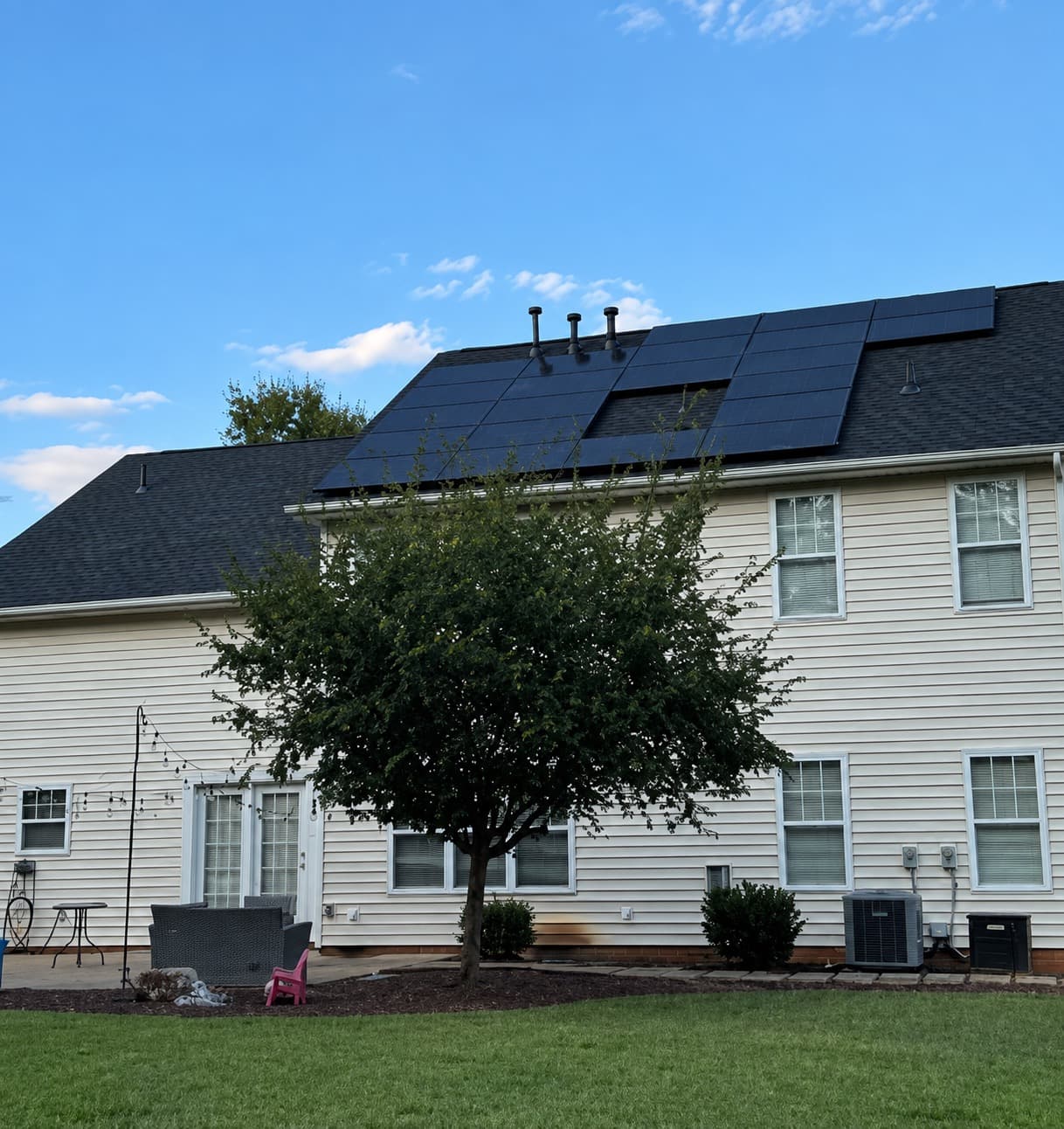
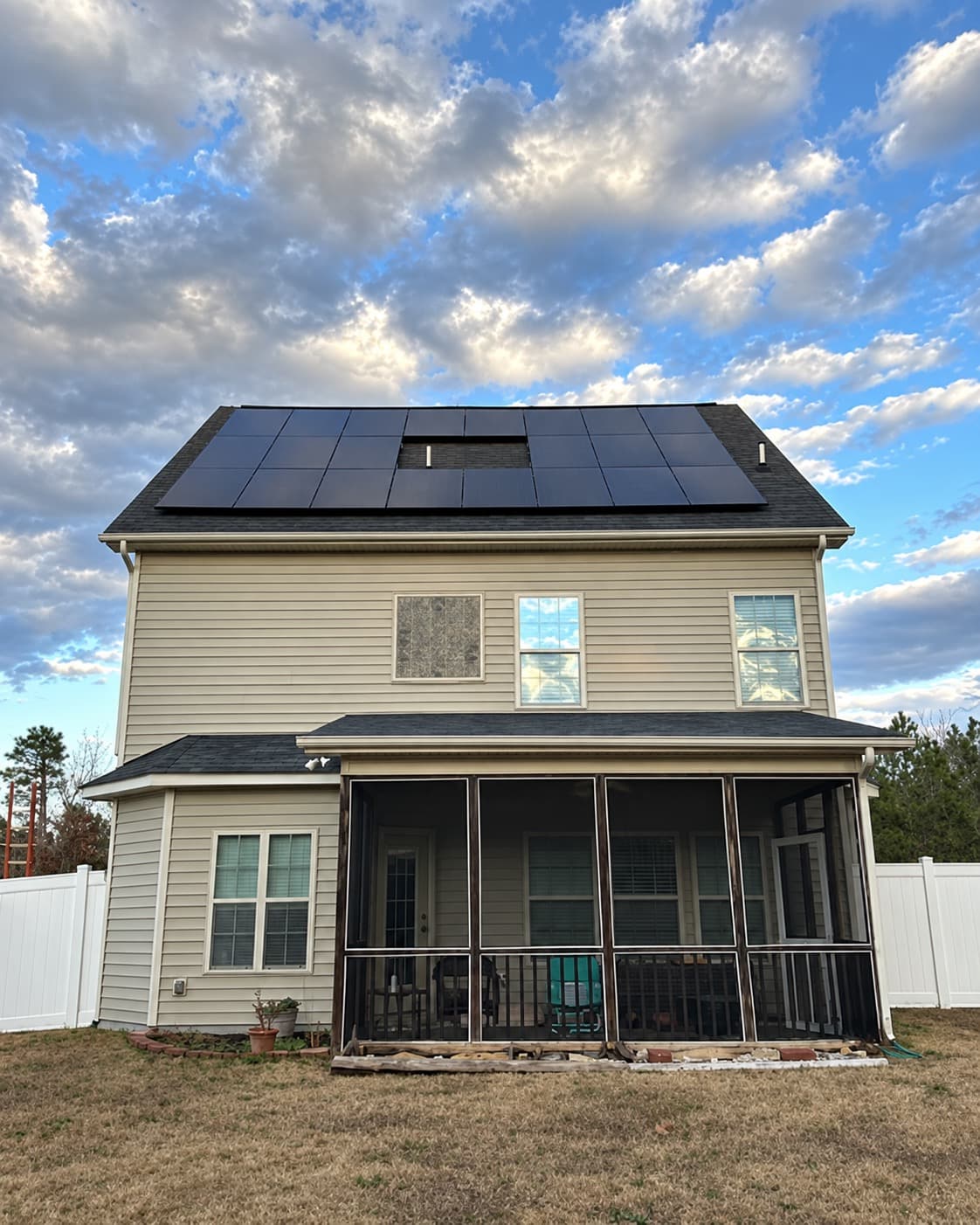
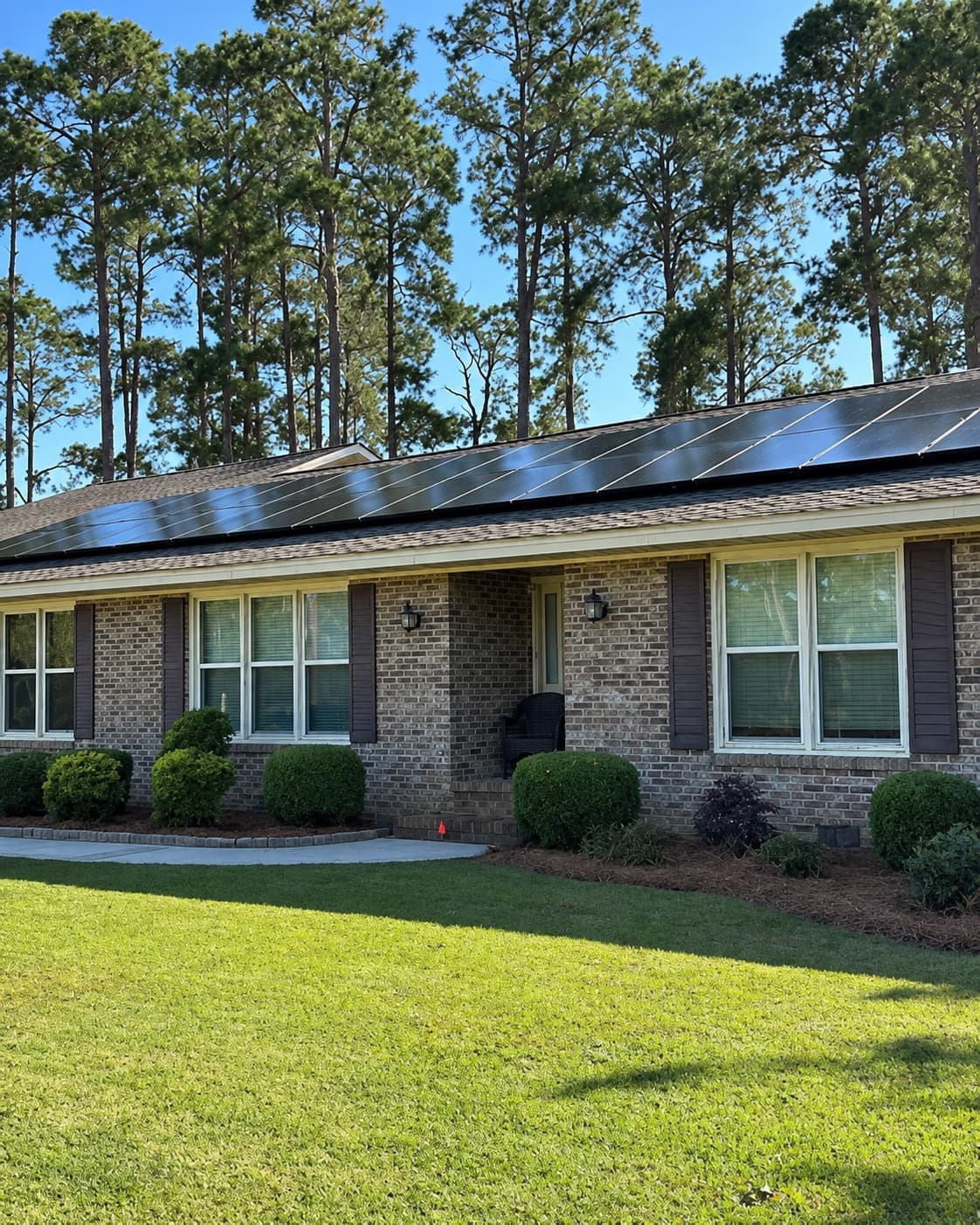
In the United States, south-facing roof areas often receive strong annual solar exposure, but east- and west-facing roofs can also be workable. The best layout depends on shade, roof geometry, energy-use timing, and local conditions.
What to know
Three points to keep in mind
- Direction is only one part of a solar assessment.
- Roof pitch and shade can matter as much as compass orientation.
- Multiple roof planes may be used when one area cannot hold the full array.
For your home
A site-specific answer still matters
Solar results and service needs depend on the roof, equipment, shade, household electricity use, utility requirements, and the condition of the existing system. Use this guide as a starting point, then have the property and equipment evaluated before making a major decision.
Discuss your question →Sources
Authoritative references
This article summarizes general consumer information and is not tax, legal, insurance, engineering, or utility-rate advice.